2026-11-13
What Should Buyers Consider When Sourcing UL Fire Rated Door Viewers?
A door viewer is a common security fitting that allows occupants to see who is outside before opening the door.…

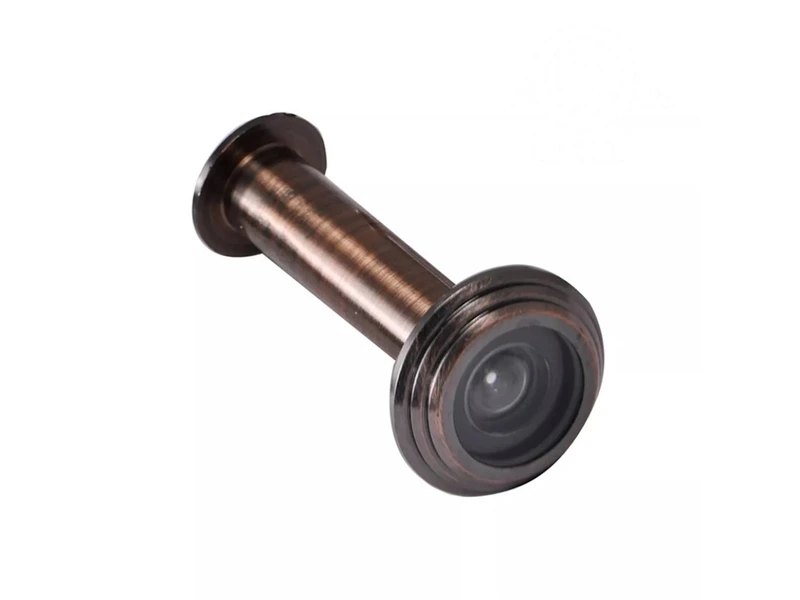
A door viewer is a common security fitting that allows occupants to see who is outside before opening the door. In commercial buildings, hotels, and high-security facilities, it also has an important role in fire safety. When installed in a fire-rated door, the viewer must meet the required fire-resistance standards and must not compromise the fire performance of the entire door assembly.
Standard door viewers are commonly made from brass or aluminum, which may not be suitable for fire-rated doors. Buyers who focus only on appearance, dimensions, and price risk overlooking more important requirements. Material performance under high temperatures, fire rating, certification, and compatibility with the door construction and project specifications all determine whether a viewer is suitable for the intended application.
Understanding these differences before purchasing helps buyers make more informed decisions and avoid costly rework caused by incompatible products. This guide covers the key factors to consider when sourcing fire rated door viewers, followed by a checklist of the product specifications and project details to prepare before requesting a quotation from a supplier.
Most standard door viewers are made from brass or aluminum. These materials are relatively inexpensive and easy to machine, making them suitable for residential and light-commercial doors without fire-resistance requirements. However, when exposed to high temperatures, brass and aluminum can deform or melt, potentially creating an opening through the door and compromising its overall fire resistance. For this reason, standard door viewers are not suitable for use in fire-rated doors.
Fire door viewers are specifically designed and tested to maintain their structural integrity under fire conditions and prevent the passage of heat and combustion gases for a specified period. Their fire performance depends not only on the viewer itself but also on the door assembly in which it is installed.
Fire ratings are generally expressed in minutes or hours, such as 60, 90, or 120 minutes. They indicate how long a product can maintain its structural integrity and insulating performance under standardized furnace test conditions. When sourcing a door viewer, buyers should select a model with a fire rating that meets the requirements of the door assembly and the specific project.
The first question to answer is whether the product carries the required listing for your project. A genuine fire rated door viewer should be certified against recognized fire-resistance standards, with documentation confirming the exact rating and the door configurations it covers.
Buyers should confirm:
A manufacturer should be able to supply official compliance documentation. If certification cannot be documented, the product should be treated as uncertified regardless of marketing claims.
Material selection is the single most important technical decision. Fire-rated applications almost always point toward steel rather than brass or aluminum.
The reason is thermal endurance. A solid alloy steel viewer can withstand furnace conditions that would cause brass or aluminum components to melt and lose integrity. Steel with a high melting point maintains its structure when the door around it is under maximum thermal stress, preserving the fire barrier rather than becoming a weak point.
Fire-rated doors—especially armored, insulated, or soundproof assemblies—are often far thicker than standard doors. A viewer must physically fit the door it is specified for, and the fit must remain flush and secure.
Buyers should determine the exact door thickness range the viewer must accommodate. This means knowing both the minimum and maximum thickness, or the single dimension if all doors are identical. A viewer designed for a narrow thickness band will not install correctly on a deep-profile door, and an ill-fitting viewer can undermine both security and fire performance.
Security value depends on what the occupant can actually see. A wide-angle lens allows a person to observe a visitor and the surrounding area without opening the door—an essential capability for high-security entries.
When sourcing a door viewer, buyers should check whether the viewing angle meets their needs. For fire-rated models, they should also confirm that the lens and installation structure comply with the product’s certification requirements. Any changes should be checked with the manufacturer to ensure they do not affect the fire rating.
Finish affects both appearance and longevity. A quality finish protects the underlying steel from humidity and corrosion, which matters in coastal climates and high-traffic commercial entries where the viewer is exposed to constant handling and environmental variation.
Electroplated finishes—such as antique copper, satin chrome, satin nickel, polished brass, and others—allow the hardware to match the surrounding door furniture. Buyers should confirm the finish code and, where a precise match is required, request a reference sample or finish code before committing to a large order.
Many applications require more than the viewer body alone. Two accessories are commonly specified:
Buyers should determine whether these accessories are needed up front, and whether the privacy cover should be integrated or supplied separately. Confirming accessory compatibility against the model’s listing avoids ordering parts that do not work together.
A well-prepared buyer can get accurate quotes faster and avoid mismatched product recommendations. When contacting a door viewer manufacturer for a fire-rated model, buyers should prepare the following information:
| Item | Information to Provide |
| Body material | Brass or steel, depending on the application and fire-rating requirements. |
| Tube diameter | Required outside diameter in millimetres. If the door is already drilled, provide the existing hole diameter as well. |
| Finish and colour | Required finish, finish code, or reference sample. |
| Door thickness | Minimum and maximum door thickness, or the exact thickness if only one size is needed. |
| Privacy cover | Whether a rear privacy cover is required and whether it should be integrated or separate. |
| Lens material | Glass or quartz requirements, subject to confirmation against the product listing. |
| UL marking | Whether the product must carry the applicable UL mark. Confirm this against the exact model’s listing. |
| Packaging | Individual or bulk packaging, including any requirements for box artwork, barcodes, or carton markings. |
| Samples | Whether a sample is needed for approval, the required timing, and whether a reference sample or drawing can be provided. |
| Quantity and lead time | Order quantity and target shipment or delivery date. |
For a UL-listed fire-rated door viewer, buyers should also provide the project country, required fire rating, and any test conditions specified for the door assembly. This helps the manufacturer identify a suitable model and prepare an accurate quotation with fewer follow-up questions.
For projects involving heavy-duty armored doors, insulated fire-rated doors, or high-security commercial doors, the priority is to find a door viewer specifically designed for demanding operating conditions.
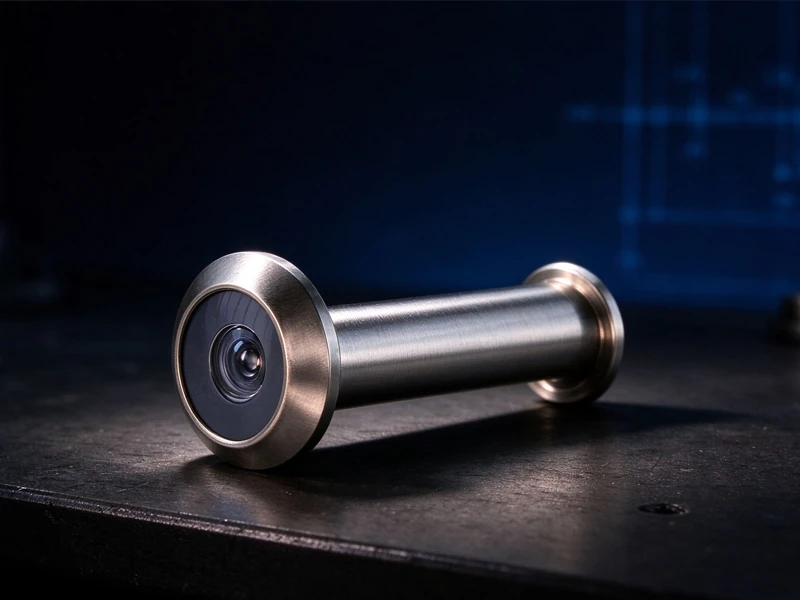
The Oupu Optic UL Steel Door Viewer Model 4014-70-90-AC addresses this requirement directly. It is a heavy-duty, high-security hardware component certified to meet a 1.5-hour fire-resistance standard, and it is precision-engineered from high-strength solid steel in a classical antique copper finish.
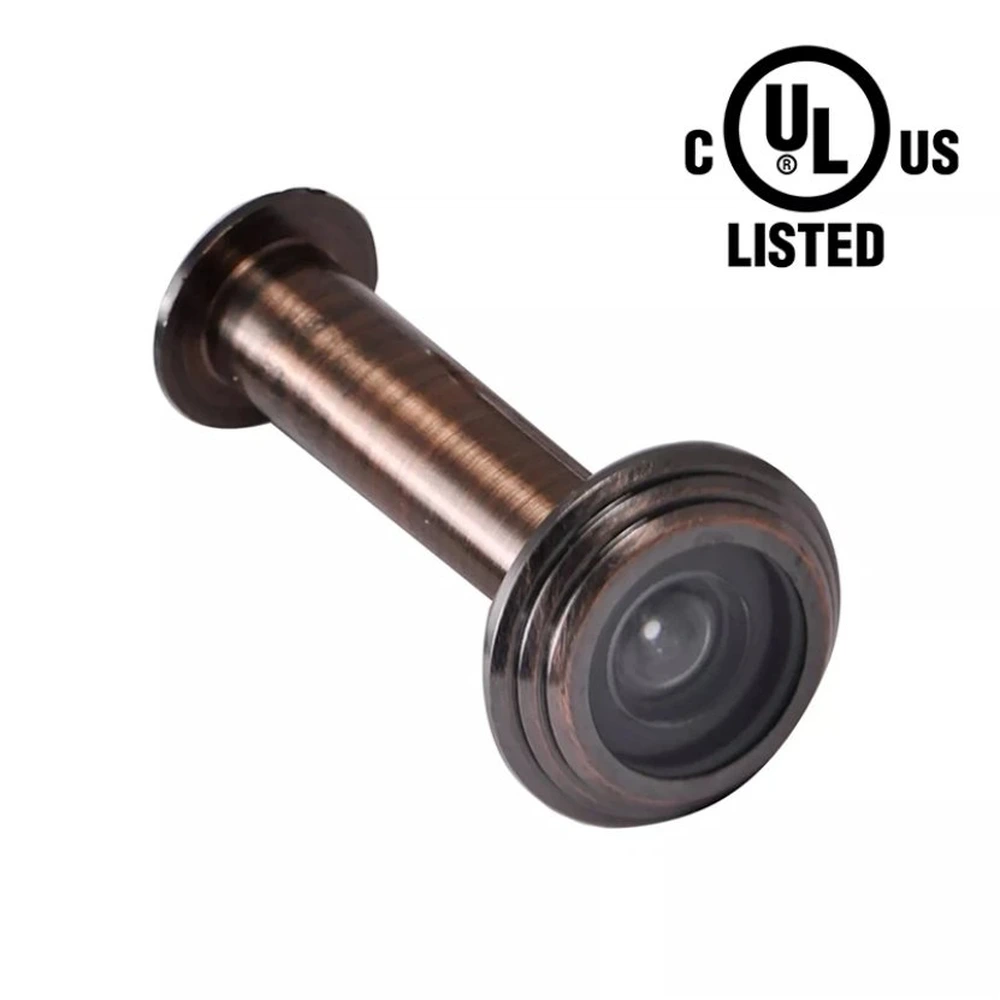
The defining feature of this model is its thickness capability. It is engineered for exceptionally deep-profile doors measuring 70 mm to 90 mm in thickness—a range that standard viewers simply cannot serve. With a 14 mm tube diameter and an oversized 32 mm head, it installs flush and securely on heavy-duty fire doors without compromising structural compliance.
This makes it suited to ultra-thick armored entryways, heavy insulated fire doors, and high-security commercial panels, where a conventional viewer would either not fit or would leave the assembly under-specified.
The product housing is precision-machined from high-strength alloy steel with a melting point above 1,370°C.
This material property is particularly important in fire conditions. The steel body helps maintain structural integrity and preserve the fire barrier, preventing heat, smoke, and toxic combustion gases from passing through the door opening for up to 90 minutes.
The oversized head and wide-angle optics provide panoramic visibility, allowing occupants to screen visitors and the surrounding area before opening the door. The electroplated antique copper finish resists humidity and corrosion while delivering a classical, upscale appearance suited to high-traffic commercial entries, luxury hospitality guest rooms, and high-security corporate suites.
The 4014-70-90-AC offers several electroplated finishes to match project specifications, including satin chrome, satin nickel, polished brass, chrome plated, gold plated, antique brass, oil rubbed bronze, and the standard antique copper. Matching accessories are also available: a steel thread extension tube (F4014J) for thicker profiles and a steel privacy cover (F4014G) for the interior side.
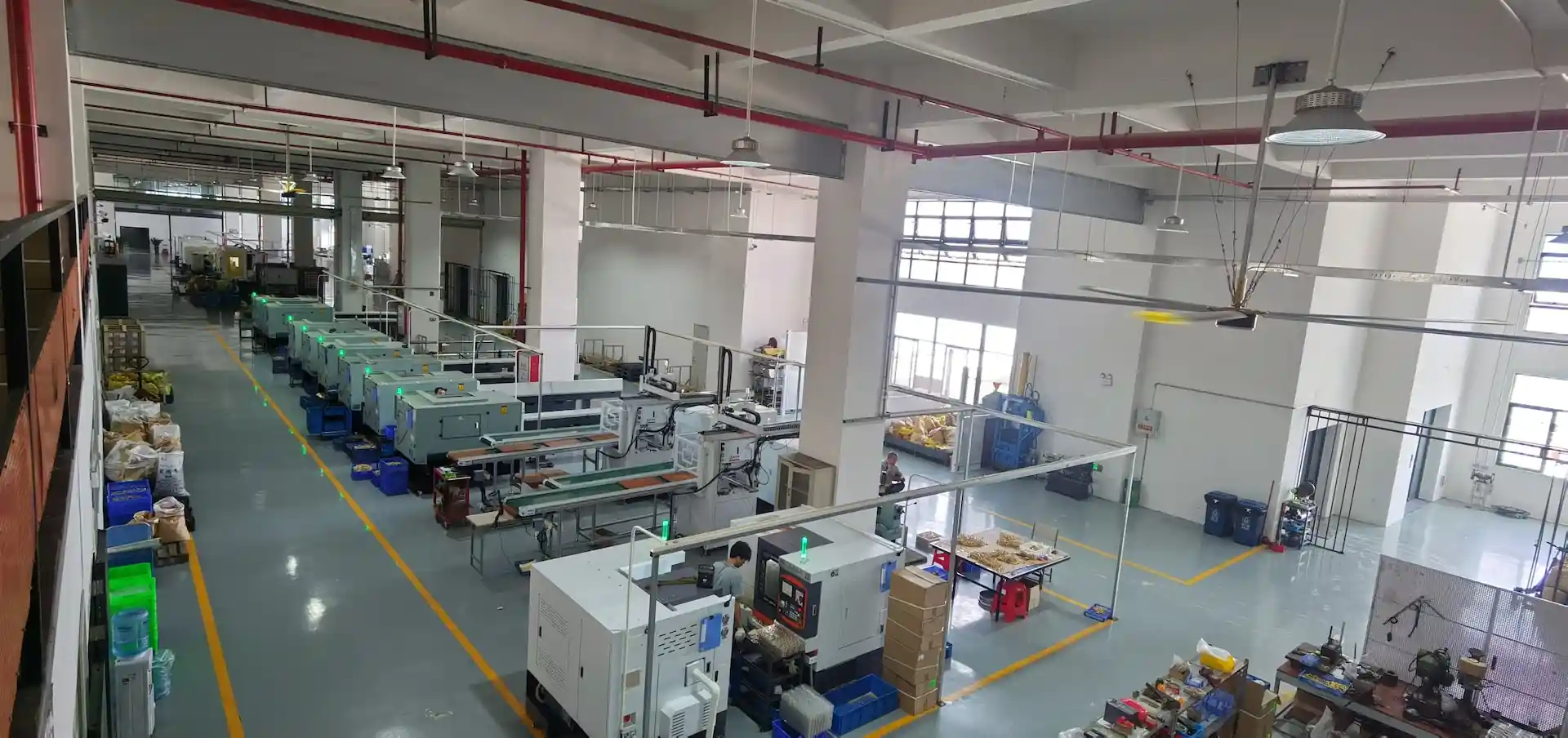
Beijing Oupuoptic Instrument Co., Ltd. has been in operation since 2001 and established a production facility in Zhejiang in 2019. The facility covers more than 5,000 square meters, employs over 100 professionals, and is equipped with CNC machining and optical assembly lines. Production is managed under an ISO 9001 quality management system.
The 4014-70-90-AC is available under FOB terms, with Ningbo, Shanghai, and Tianjin as the ports of loading. The typical production lead time is 30–45 days, depending on order quantity and finish requirements. Samples are available for quality evaluation and thread-fit testing. The MOQ varies depending on the finish and order volume.
We can also provide 2D and 3D CAD files, technical drawings, and official UL compliance documentation to support product specification and installation.
Choosing a UL fire-rated door viewer requires careful attention to certification, material, door thickness, and compatibility with the door assembly. These factors help ensure the viewer meets project requirements without compromising the door’s fire performance or security.
The Oupu Optic 4014-70-90-AC is designed for thick, heavy-duty fire-rated doors, offering a 70–90 mm door thickness range and a 1.5-hour fire rating. With multiple finish and accessory options, it can accommodate different commercial door specifications.
If you are sourcing fire-rated door viewers for an upcoming project, contact our team to discuss your requirements, request technical documentation, or get a quotation for the 4014-70-90-AC.
A standard viewer is designed for visual security only, typically in brass or aluminum. A fire rated peephole is engineered and tested to maintain its integrity and prevent the passage of heat and combustion gases for a defined period, using materials such as solid steel that withstand furnace conditions.
The required rating depends on the door assembly. Common ratings include 60, 90, and 120 minutes. A 1.5-hour (90-minute) rating is frequently specified for commercial and high-security fire doors. Always match the viewer’s rating to the door’s requirement and confirm it against the product’s listing.
Steel has a far higher melting point than brass or aluminum. Under furnace conditions, brass and aluminum can soften or melt and open a pathway through the door, while solid alloy steel remains structurally sound and preserves the fire barrier.
It depends on the application. A privacy cover prevents observation from outside and is common in hospitality and corporate settings. An extension tube adapts the viewer to thicker door profiles. Confirm compatibility against the model’s listing before ordering.
Provide the body material, tube diameter, finish, door thickness range, whether a privacy cover is needed, lens material, whether UL marking is required, packaging needs, sample requirements, and the order quantity and target delivery date. For fire-rated viewers, also state the project country, required fire rating, and any specified test conditions.
A door viewer is a common security fitting that allows occupants to see who is outside before opening the door.…
Introduction In commercial construction, a fire door does critical work: it holds back flame, smoke, and heat long enough for…

In recent years, Beijing Oupuoptic Instrument Co., Ltd. (PGX®) has been steadily expanding its international market presence. The company’s foreign…
Founded in 2001 and headquartered in Tongzhou District, Beijing, Beijing Oupuoptic Instrument Co., Ltd. is a professional enterprise dedicated to…